If you’re staying at the Webster House and want a few hours outdoors that don’t involve a shopping bag or a dinner reservation, Shiawassee National Wildlife Refuge is the answer. It sits about 25 minutes southwest of Bay City, where the Shiawassee, Flint, Cass, and Tittabawassee rivers come together into one of the largest river-mouth wetland systems left in the Great Lakes region. Over 10,000 acres of marsh, floodplain forest, and grassland make it one of the best places in mid-Michigan to see wildlife up close, and it’s free to visit year-round.
What Makes Shiawassee Worth the Drive
The Shiawassee National Wildlife Refuge was established in 1953 to protect habitat for migratory birds along the Mississippi Flyway. Depending on when you visit, you might see:
- Tens of thousands of Canada geese and other waterfowl during spring and fall migration
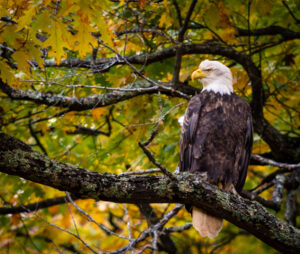
- Bald eagles, which nest on the refuge year-round
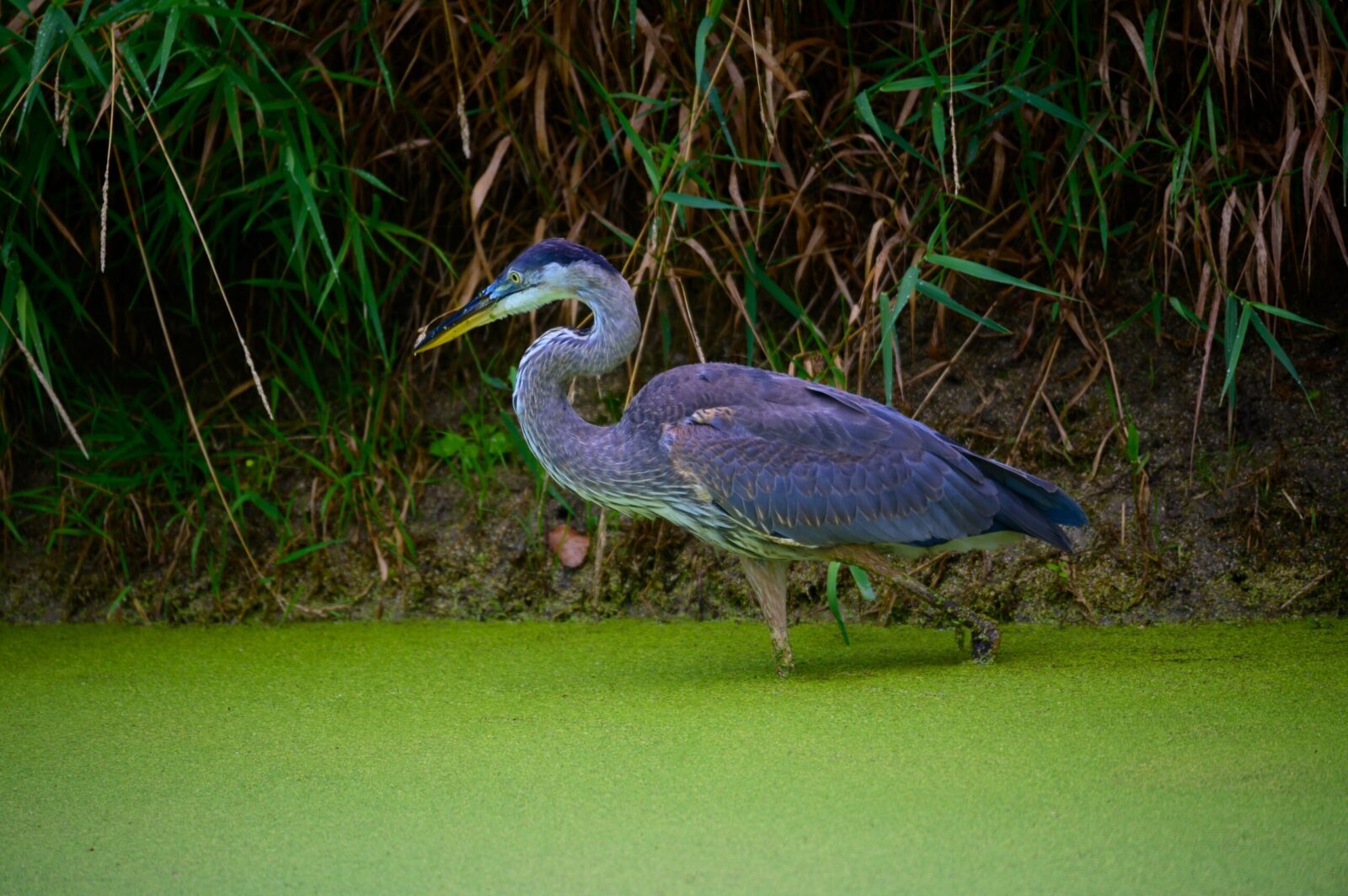
- Sandhill cranes, herons, and egrets working the wetland edges
- White-tailed deer, river otters, and the occasional bobcat sighting
- Over 270 recorded bird species across the year
You don’t need binoculars or birding experience to enjoy it. The observation platforms and pull-offs along the Wildlife Drive put you close enough to see most of this without any special gear, whether you’re a longtime birder or just along for the walk.
Getting Around the Shiawassee National Wildlife Refuge
- Wildlife Drive: A seasonal, self-guided auto route through the heart of the refuge, and the easiest way to see the most wildlife in the least amount of time if you have limited time.
- Green Point Environmental Learning Center: The visitor and education hub, with trails, exhibits, and staff who can point you toward what’s active that week. If this is your first time in Shiawassee, stop here first.
- Ferguson Bayou and Woodland Trails: Shorter walking loops and boardwalks for a quick leg-stretch, each turn opening onto a different bit of marsh or bottomland forest.
- Photography access points: Several pull-offs along the drive are set up specifically for photographers, with enough cover to shoot from without spooking birds.
When to Visit Shiawassee National Wildlife Refuge
Fall (October–November) is the refuge’s headline season. During peak waterfowl migration, the marshes fill with geese and ducks stopping over on their way south. When you add in the foliage color along the river corridors, you’ve got one of the more underrated fall day trips in the state, with a fraction of the crowds you’d find at a more heavily marketed destination.
Spring (March–April) brings wildflowers and returning songbirds, and it’s a quieter counterpart to fall. It’s also the season most suited to a stroll along the marsh and bottomland forest trails.
Summer offers wildflowers and dragonflies, though it doesn’t bring the same concentrations of wildlife you’ll see during migration.
Winter access is limited as some roads and trails close, but bald eagle sightings are more reliable against a snow-covered landscape.
Plan for at least two hours if you want to do the Wildlife Drive; longer if you’re hoping to catch peak activity at dawn or dusk, when the wildlife are most active.
Practical Details
Cost: Free
Hours: Refuge grounds are generally open dawn to dusk; the Wildlife Drive and Green Point Center have seasonal hours, so check ahead before you go, especially outside of fall
What to bring: Comfortable shoes, layers, and bug spray in warmer months. Binoculars help but aren’t required.
Best time of day: Early morning or the last hour before sunset, when bird activity peaks
More info: For updates on what’s active at Shiawassee and other regional hot spots, Michigan Audubon is a solid resource to check before you go.
More Places to Bird Near Bay City
Shiawassee National Wildlife Refuge isn’t the only spot worth visiting if you’re planning a full weekend outdoors. A few others within easy driving distance:
-
- Bay City State Park & Tobico Marsh is one of the largest remaining freshwater coastal wetlands on the Great Lakes, right on Saginaw Bay.
- Saginaw Bay Birding Trail: A 142-mile route running from Port Crescent State Park to Tawas Point State Park, largely following the Saginaw Bay shoreline, with a wide range of shorebirds along the way.
- Chippewa Nature Center: A good starting point if you’re newer to birding or hiking, with trails, kayaking, and an arboretum alongside the wetlands.

Treat Yourself to a Webster House Stay
Because the refuge sits almost exactly between Bay City and Saginaw, it works well as a midday stop on a longer day-trip loop rather than a standalone destination. A morning at the refuge, lunch in Saginaw, and an evening back at the Webster House make for an ideal day.
We were named one of Midwest Living’s “Top 20 Romantic Getaways in Michigan,” and a morning spent birdwatching fits right in with what we are known for: elegant rooms, an on-site spa, and a made-to-order breakfast to come back to. If you’re planning a fall visit, our foliage guide will help leaf-peepers find the best spots. Reserve your room now.