Spring along Michigan’s west coast is beautiful. Lake Michigan’s shoreline begins to soften and color returns in a dramatic way. Nowhere is that shift more striking than during the Tulip Festival in Holland MI, when millions of blooms line the streets, parks, and waterfront spaces. The Holland, MI Tulip Festival is not just a visual experience; it is a cultural one, rooted in Dutch heritage, seasonal traditions, and a genuine sense of place that has been refined over decades. During tulip season, the city becomes a living canvas of color, with scenes that feel almost cinematic in their scale and detail.
This Michigan Tulip Festival may be the star of the season, but you’ll also find that the list of things to do in Holland Michigan extends well beyond the blooms. Windmill Island Gardens offers one of the most iconic settings in the region, where traditional Dutch architecture, walking paths, and vibrant flower beds come together. Downtown Holland offers locally owned shops, thoughtful dining options, and a walkable layout that encourages you to slow down and take it all in. Then, of course, there’s the Lake Michigan Shoreline, where wide sandy beaches and lake views create a refreshing contrast to the tulip festival.
What makes a trip like this even more compelling is how easily it connects to a broader Midwest spring itinerary. From the lakefront towns of Michigan to the rolling countryside of Wisconsin, the river communities of Minnesota, and the quiet charm of Iowa and Nebraska, this region offers a collection of destinations that feel distinct yet complementary. Each stop introduces a slightly different rhythm, but they share a common thread of authenticity and hospitality. That experience is best anchored by where you stay, and the Bed and Breakfasts in Michigan, particularly in Holland, provide a level of comfort and personal attention that larger properties often miss. Choosing one of these top-rated inns places you close to the Holland Tulip Festival while giving you a refined, welcoming place to return to at the end of each day.
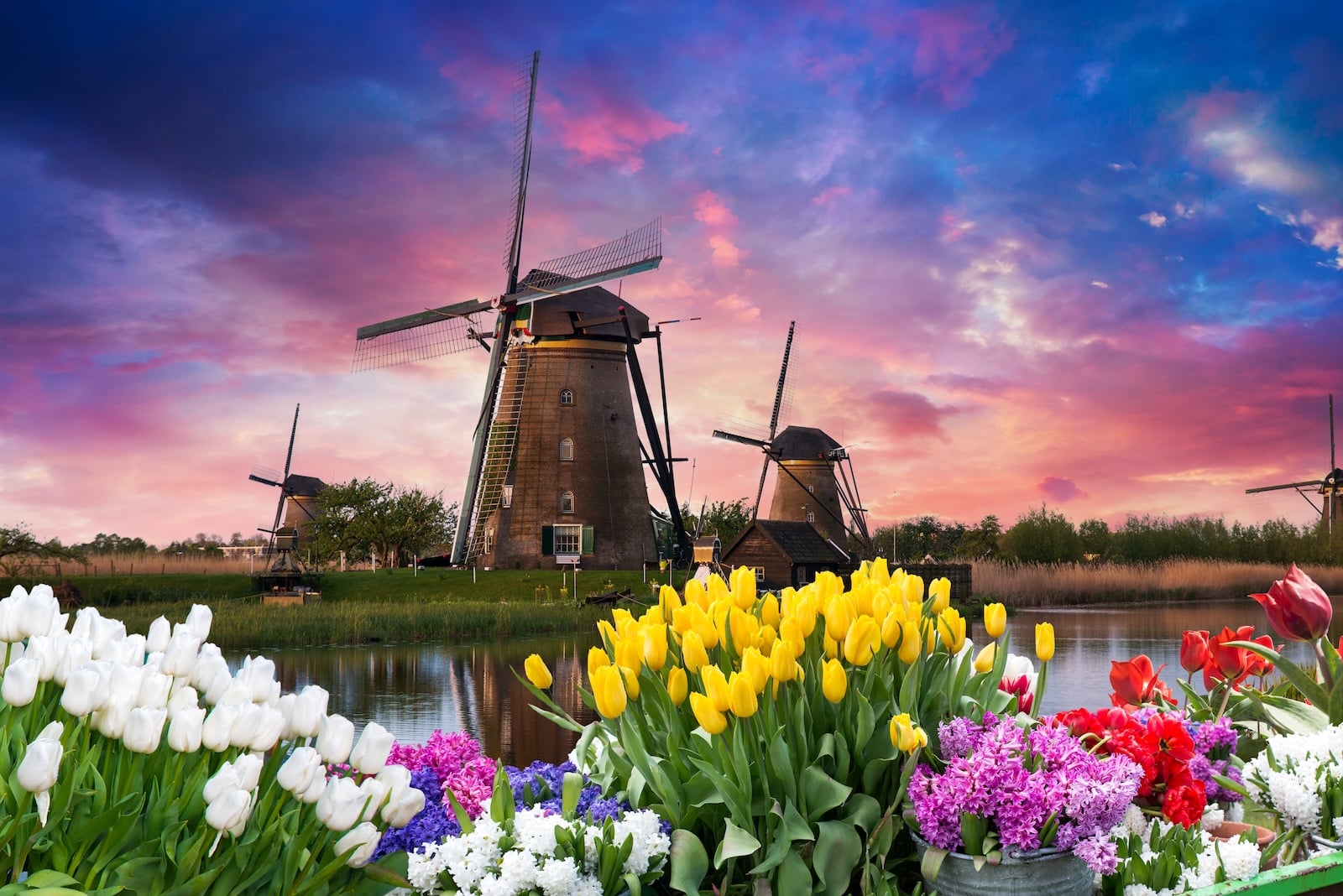
Don’t Miss This Year’s Tulip Festival in Holland, MI
Holland, Michigan was founded in 1847 by Dutch settlers seeking both religious freedom and a fresh start along the shores of Lake Michigan. Under the leadership of Reverend Albertus van Raalte, the community established deep cultural roots that still shape the town today. Early residents brought with them not only their language and traditions, but also a strong connection to agriculture and seasonal rhythms. Over time, that influence became visible in the town’s architecture, festivals, and public spaces, creating a place that feels intentionally tied to its European origins while still distinctly Midwestern.
Tulips entered the picture in the late 1920s, when city leaders began looking for a way to celebrate Holland’s Dutch heritage in a more visual and community-driven way. The first large-scale planting took place in 1929, when thousands of tulip bulbs were imported from the Netherlands and planted throughout public areas. What began as a beautification effort quickly gained momentum, as residents embraced the idea and expanded plantings year after year. The tulips became more than decoration, they evolved into a shared symbol of identity, tying the town’s past to its present in a way that visitors could immediately understand.
As the displays grew, so did the concept of a formal celebration. The Holland Tulip Festival emerged as a way to mark the arrival of spring while honoring the town’s origins, blending floral displays with cultural programming that reflects Dutch traditions. Today, Holland tulips are carefully curated across parks, streets, and landmarks, with millions of blooms planted annually. The result is an environment that feels both meticulously planned and effortlessly beautiful, reinforcing Holland’s reputation as one of the most distinctive spring destinations in the Midwest.
The Tulip Festival Holland MI for 2026 is scheduled to take place from May 2 through May 10, aligning with peak tulip season when the majority of blooms are expected to be at their most vibrant. During this window, the city showcases more than six million tulips across public spaces, including Windmill Island Gardens, Centennial Park, and the downtown corridor. Each location offers a slightly different experience, from expansive garden layouts to more intimate streetscapes where flowers line sidewalks and storefronts. Timing can vary slightly depending on weather conditions, but early May consistently offers the most reliable display.
The Holland MI Tulip Festival is known for its layered programming, which extends well beyond the flowers themselves. Visitors can expect traditional Dutch dance performances, parades featuring authentic costumes, and live music events that take place throughout the week. One of the most recognizable elements is the Dutch Dance program, where local performers maintain long-standing traditions with precision and energy. There are also artisan markets, guided tours, and historical presentations that provide context for the celebration, making the Michigan Tulip Festival feel both festive and educational.
Planning ahead is essential, as the Holland Tulip Festival draws significant interest each year. Parking and accommodations fill quickly, particularly for weekends, so securing lodging early allows for a more relaxed experience. Staying close to the action makes it easier to explore on foot, especially when moving between Windmill Island Gardens, downtown events, and nearby attractions. Many visitors choose Bed and Breakfasts in Michigan for this reason, as they offer convenient locations along with a more personal level of hospitality. With the combination of carefully timed blooms, cultural programming, and a walkable layout, the 2026 festival continues to reinforce Holland’s place as a defining spring destination in the Midwest.
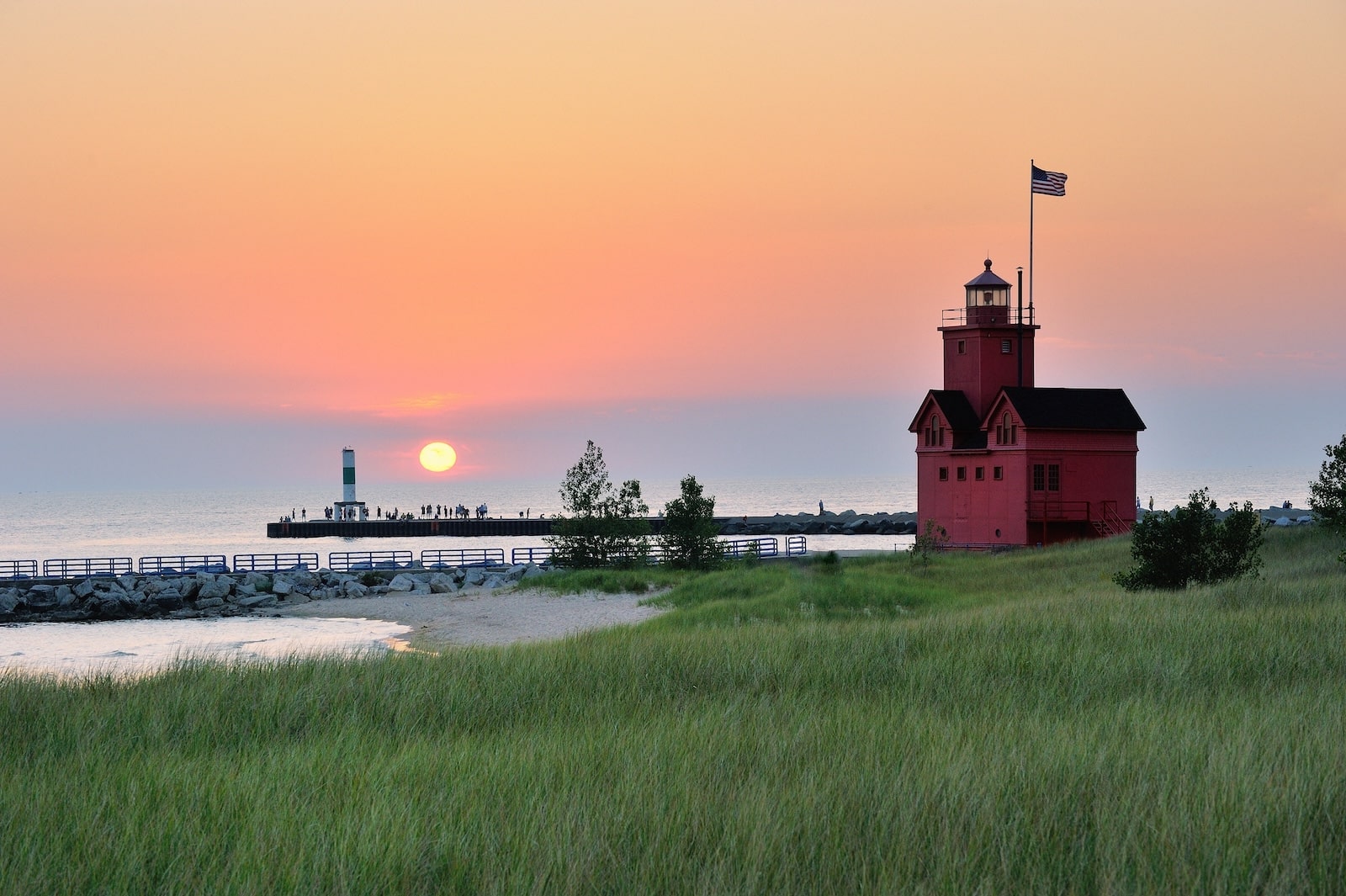
Find More Things to do in Holland, Michigan
Beyond the energy of the Tulip Festival Holland MI, Holland itself invites a slower, more layered kind of exploration. The town balances its Dutch heritage with a distinctly coastal character, where brick-lined streets lead to art galleries, local boutiques, and thoughtfully designed public spaces. As you move between downtown and the waterfront, you begin to see why so many visitors extend their stay past the Holland MI Tulip Festival. The combination of cultural landmarks, lakefront access, and a strong local food scene creates a destination that holds its appeal well beyond tulip season, making it easy to fill a full itinerary with meaningful experiences.
- Visit Holland State Park for wide sandy beaches, views of the iconic Big Red Lighthouse, and some of the best sunset spots along Lake Michigan
- Explore Windmill Island Gardens in more depth, including guided tours of the historic De Zwaan windmill and quieter garden paths after peak festival hours
- Walk or bike the extensive trail system, including the Lakeshore Connector Path and nearby dune trails for a mix of scenery and accessibility
- Spend time in downtown Holland browsing independent shops, home décor stores, and locally owned boutiques that reflect the town’s personality
- Experience the local food scene with a mix of casual cafés, elevated dining, and seasonal menus that highlight regional ingredients
- Visit the Holland Museum to better understand the area’s Dutch roots and how the community has evolved over time
- Take a scenic drive along the Lake Michigan shoreline, stopping at nearby parks and overlooks for different perspectives of the coast
- Enjoy a craft beverage tour with local breweries and tasting rooms that add a contemporary edge to the town’s traditional character
- Attend seasonal farmers’ markets, where local producers bring fresh produce, baked goods, and artisan products into the heart of downtown
- Book a sailing or boating excursion on Lake Michigan for a more immersive way to experience the shoreline and open water views

Find an Elevated Stay at Our Bed and Breakfasts in Michigan
Experiencing the Tulip Festival Holland MI is memorable on its own, but where you stay has a direct impact on how the trip feels from start to finish. Choosing one of the top-rated Bed and Breakfasts in Michigan, especially those in and around Holland, places you close to the Holland, MI Tulip Festival while offering a far more personal and refined experience than standard lodging. Many of these inns are located within walking or short driving distance of downtown and Windmill Island Gardens, which means you can move easily between events, gardens, and the waterfront without the friction of heavy traffic or parking concerns. Mornings often begin with thoughtfully prepared breakfasts made from local ingredients, and innkeepers who understand the rhythm of tulip season can guide you toward the best viewing times and quieter pockets of the city.
What distinguishes these properties is not just location, but the level of care and expertise behind each stay. Midwest Association of Independent Inns members are known for maintaining historic homes, curated guest rooms, and a standard of hospitality that reflects deep local knowledge. You are not simply checking into a room; you are gaining access to recommendations that go beyond the obvious, from lesser-known beaches to specific dining reservations worth planning ahead. Many properties also offer amenities that elevate the experience, such as private outdoor spaces, well-designed common areas, and attention to detail that makes returning after a full day of exploring Holland tulips feel restorative rather than routine.
That same approach extends well beyond Holland, inviting you to turn a single destination into a broader Midwest journey. From lakefront towns in Michigan to vineyard regions in Wisconsin, river communities in Minnesota, and quiet countryside escapes in Iowa and Nebraska, the Midwest Association of Independent Inns connects a collection of properties that share a similar standard while each offering a distinct sense of place. After experiencing the Michigan Tulip Festival, it becomes natural to continue exploring these nearby destinations, where each stop introduces a new landscape and a different perspective on the region. Staying within this network ensures continuity in quality while allowing you to discover the many nooks and corners that make the Midwest such a compelling place to travel in spring.