Garnet Ghost Town offers a chance to walk through an abandoned Montana mining town, where historic buildings still stand on the sites where miners, merchants, and families lived more than a century ago. Located in the Garnet Mountains east of Missoula, it is one of the most fascinating day trips in western Montana.
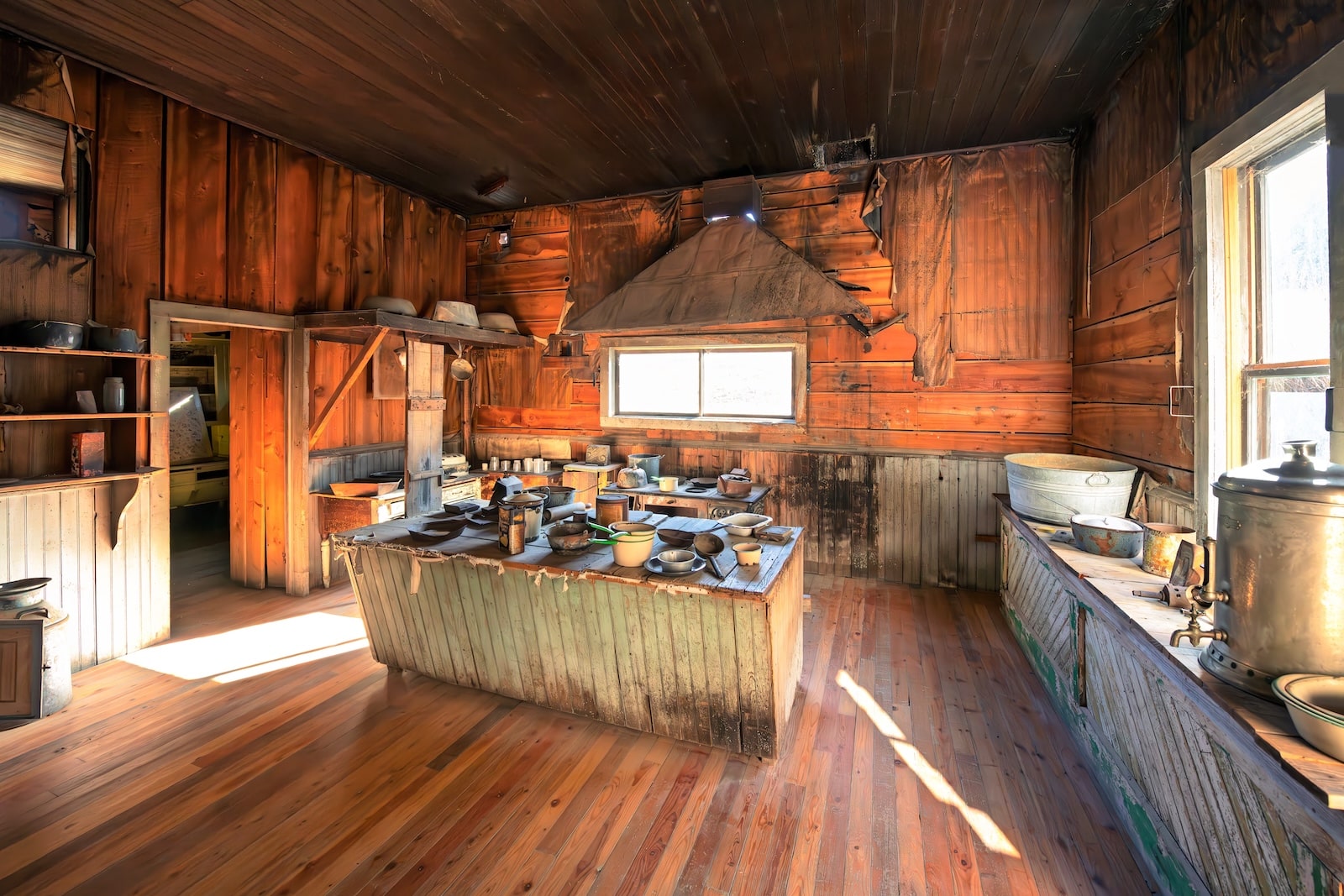
At its height in 1898, nearly 1,000 people lived in Garnet. Today, roughly 30 historic buildings remain, preserved in what the Bureau of Land Management describes as a state of “arrested decay.” Instead of rebuilding the town to look new, preservation efforts focus on stabilizing what survived.
That approach is a large part of what makes Garnet Ghost Town, Montana, so interesting. You can explore the old mining community, learn about the people who lived there, walk nearby trails, and enjoy a beautiful mountain setting, all within reach of Missoula.
Here’s our locals’ guide to the history of Garnet Ghost Town, what to see, current visitor information, surrounding recreation, and where to book your stay for when you want to turn your trip into a Bed and Breakfast in Montana getaway.
Garnet Ghost Town Montana: A Complete History
Garnet grew out of the mineral rushes that shaped western Montana in the late nineteenth century. Its history includes an early mining boom, a steep decline, a Depression-era revival, and decades of preservation work.
The Gold Rush Boom: 1895-1900
Gold mining in the Garnet Mountains began before the town itself. Prospectors initially worked placer deposits, but as surface gold became more difficult to find, mining shifted toward gold-bearing quartz veins that required hard-rock mining and milling.
The town began taking shape in 1895 when Dr. Armistead Mitchell built a stamp mill at the head of First Chance Gulch. The settlement was initially known as Mitchell before becoming Garnet in 1897, named for the ruby-colored garnets found in the surrounding mountains. A rich strike at Sam Ritchey’s Nancy Hanks Mine accelerated the boom. By January 1898, nearly 1,000 people lived in Garnet.
A Town Built to Last
At its peak, Garnet had the businesses and services of an established mountain community: four stores, four hotels, three livery stables, two barber shops, a union hall, a school with 41 students, a butcher shop, a candy shop, a doctor’s office, an assay office, thirteen saloons, and approximately 20 operating mines.
Families, merchants, miners, teachers, and business owners all lived here. The school is particularly telling. Garnet was not simply a temporary collection of miners’ cabins. People were building homes and raising families in an isolated mountain community.
The Decline: 1900-1912
After 1900, gold became more difficult to extract profitably. Mining slowed, businesses closed, and residents began leaving. The population dropped from nearly 1,000 in 1898 to roughly 150 by 1905. Garnet’s mines nevertheless produced an estimated $950,000 in gold by 1917, a substantial amount for the period.
The Fire of 1912
A major fire damaged Garnet’s business district in 1912, accelerating a decline that was already underway. The town briefly revived during the Great Depression when higher gold prices brought miners back to old claims and mine dumps. Abandoned cabins offered inexpensive housing, and Garnet saw another period of activity.
World War II caused mining to decline again as workers left for defense jobs and wartime restrictions made mining supplies harder to obtain. A small number of residents continued to live in Garnet afterward, so there is no single date on which the town suddenly became abandoned.
Preservation and Legacy
The Bureau of Land Management began preserving Garnet in the 1970s, and the Garnet Preservation Association has worked with the Bureau of Land Management since the 1980s to protect and interpret the site. Approximately 30 buildings remain. Rather than extensively reconstructing them, preservation crews stabilize the structures while retaining as much historic material as possible.
Some furnishings survived, although Garnet was heavily picked over by souvenir hunters after its decline. What visitors see today is a combination of surviving historic buildings, artifacts, period furnishings, and interpretive materials. The Garnet Historic District was added to the National Register of Historic Places in 2010. Today, tens of thousands of people visit this once-isolated mining settlement during the summer season.
Why Garnet Stands Out Among Montana Ghost Towns
Montana has several well-preserved ghost towns, and each offers a different look at the state’s mining history.
Virginia City grew out of the 1860s gold rush and remains an active historic community today. Visitors can explore preserved buildings, as well as museums, shops, restaurants, lodging, and entertainment.
Bannack dates to Montana’s first major gold discovery in 1862 and later became the territory’s first capital. Now preserved as Bannack State Park, it has more than 50 historic buildings and offers one of the most complete looks at an early Montana mining town.
Coloma, located near Garnet, developed during a similar late-nineteenth-century mining boom. It is much less developed for tourism, with fewer visitor facilities and less interpretation than Garnet.
What we like about Garnet Ghost Town is the combination of history, setting, and accessibility. About 30 historic buildings remain in a forested mountain setting, roughly an hour from Missoula, and the town has been stabilized without extensive rebuilding.
You can walk through the historic district, learn about the people who lived and worked here, explore nearby trails, and still return to Missoula the same day. For visitors looking for Montana ghost towns near Missoula, Garnet offers one of the best combinations of preserved history and outdoor scenery.
Plan Your Visit: Location, Access & Getting There
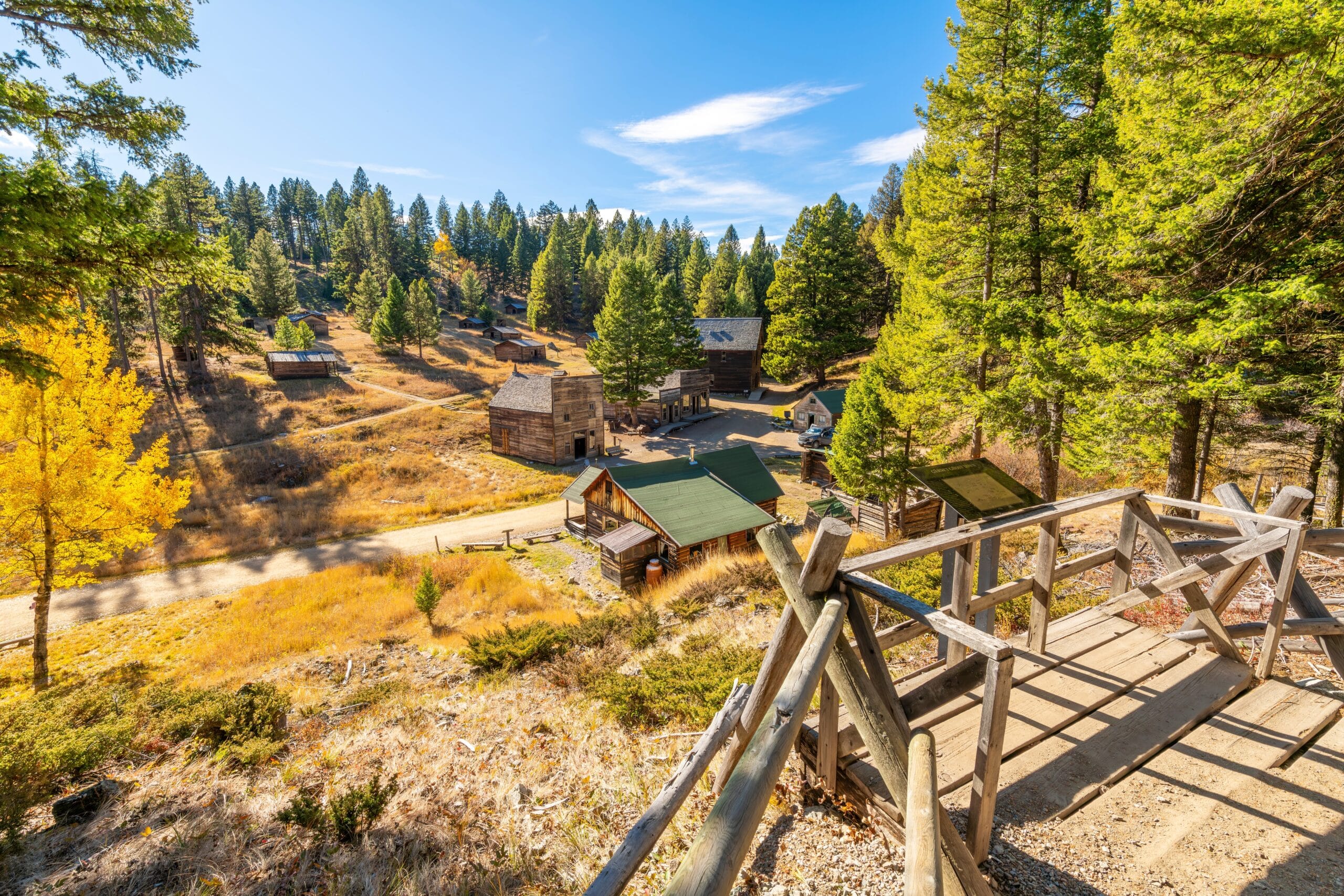
Garnet Ghost Town in Montana sits in the Garnet Mountains east of Missoula on public land managed by the Bureau of Land Management. The site is located at an elevation of approximately 5,995 feet. The Highway 200 turnoff is about 30 miles east of Missoula, followed by roughly 10 additional miles into the mountains.
Road Conditions and Vehicle Requirements
The Highway 200 approach includes gravel but is generally the better option for ordinary passenger vehicles when conditions are dry. Expect potholes, washboard, mud, or snow depending on the season. High-clearance or four-wheel-drive vehicles can be helpful in poor conditions but are not always necessary on the primary route.
The Bear Gulch Road approach from I-90 is steeper, narrower, and rougher and is not recommended for trailers or RVs. Winter access is completely different. Once snow closes the road to ordinary vehicles, visitors reach Garnet by snowmobile, cross-country skis, or snowshoes.
Interactive Map and Precise Navigation
If you are searching for a Garnet Ghost Town map or Montana ghost town map, start with the official Bureau of Land Management Garnet Ghost Town visitor page. Save your route before leaving Missoula. Cell service can be unreliable as you travel farther into the mountains, and navigation apps do not always select the easiest road.
When to Visit: Seasonal Guide and Best Times
Garnet sits at an elevation close to 6,000 feet, so conditions can be very different from the weather in Missoula. Before you go, check current Garnet Ghost Town weather and road conditions.
Spring can bring lingering snow, muddy roads, and changing access. It is often quieter than summer, but conditions should be checked before making the drive.
Summer generally offers the most dependable road access, open visitor facilities, and long daylight hours. It is also the busiest season, particularly on weekends. If you want to explore the historic buildings and add a nearby hike, summer is the easiest time to plan your visit.
Fall is one of our favorite times to visit Garnet. Cooler temperatures make walking comfortable, and western larch and other vegetation bring seasonal color to the mountains. Because snow can arrive early at this elevation, check the forecast and road conditions before heading out later in the season.
Once snow closes the road to ordinary vehicles, Garnet becomes a winter recreation destination reached by snowmobile, cross-country skis, or snowshoes. The surrounding Garnet Mountains also have an extensive network of winter routes. This is best suited to visitors who are prepared for remote winter conditions.
What to Bring
Visitors will want to wear sturdy walking shoes, as well as pack water, snacks or lunch, sunscreen, layers for changing mountain temperatures, offline navigation, and a camera or phone.
During spring and fall, pack warmer clothing than you might expect based on conditions in Missoula. Winter visitors need appropriate cold-weather clothing, navigation tools, emergency supplies, and equipment suited to remote winter travel.
Entrance Fee & Hours
Garnet Ghost Town currently charges a small fee per visitor age 16 and older. Children younger than 16 enter free, and qualifying federal recreation passes are accepted. The visitor center is generally open daily from late May through September, weather permitting.
Facilities include designated parking, accessible parking, vault toilets, potable water, picnic tables, interpretive signs, and a seasonal visitor center. There is no restaurant, so bring food if you plan to stay for several hours.
Safety & Etiquette
Historic buildings and objects at Garnet have survived thanks to ongoing preservation efforts. Do not remove artifacts, move furnishings, carve into buildings, or enter closed structures. Stay on established paths where possible, keep pets leashed, and pack out what you bring with you. Mountain weather can also change quickly. Bring layers even on warm days and pay attention to deteriorating road conditions.
The Garnet Range: Scenery & Outdoor Adventure
Garnet Ghost Town sits within a much larger landscape of public land, forest, old mining routes, hiking trails, and winter recreation.
The Garnet Mountains are covered largely by forested ridges and drainages, with species including Douglas fir, lodgepole pine, spruce, western larch, and subalpine fir. The Garnet Back Country Byway climbs roughly 2,000 feet as it approaches the townsite, which helps explain why Garnet feels much more remote than its distance from Missoula suggests.
Walking through the town itself is the easiest option, although several established walks begin around the historic town. Visitors can also explore the Sierra Mine Loop Trail, a self-guided route interpreting early mining operations near the Sierra and Forest Lode claims.
For moderate day hikes, the Warren’s Park trail leaves from the main parking area and passes through both open and forested terrain, while the Sierra Mine Loop can also be extended onto the Placer Trail for a longer walk around the mountainside.
The surrounding public lands provide habitat for elk, deer, moose, black bears, mountain lions, grouse, and other wildlife. Sightings are never guaranteed, but keeping an eye on forest openings and quieter stretches of trail can be rewarding. Always give wildlife plenty of space.
Where to Stay: The Best Bed and Breakfast in Montana
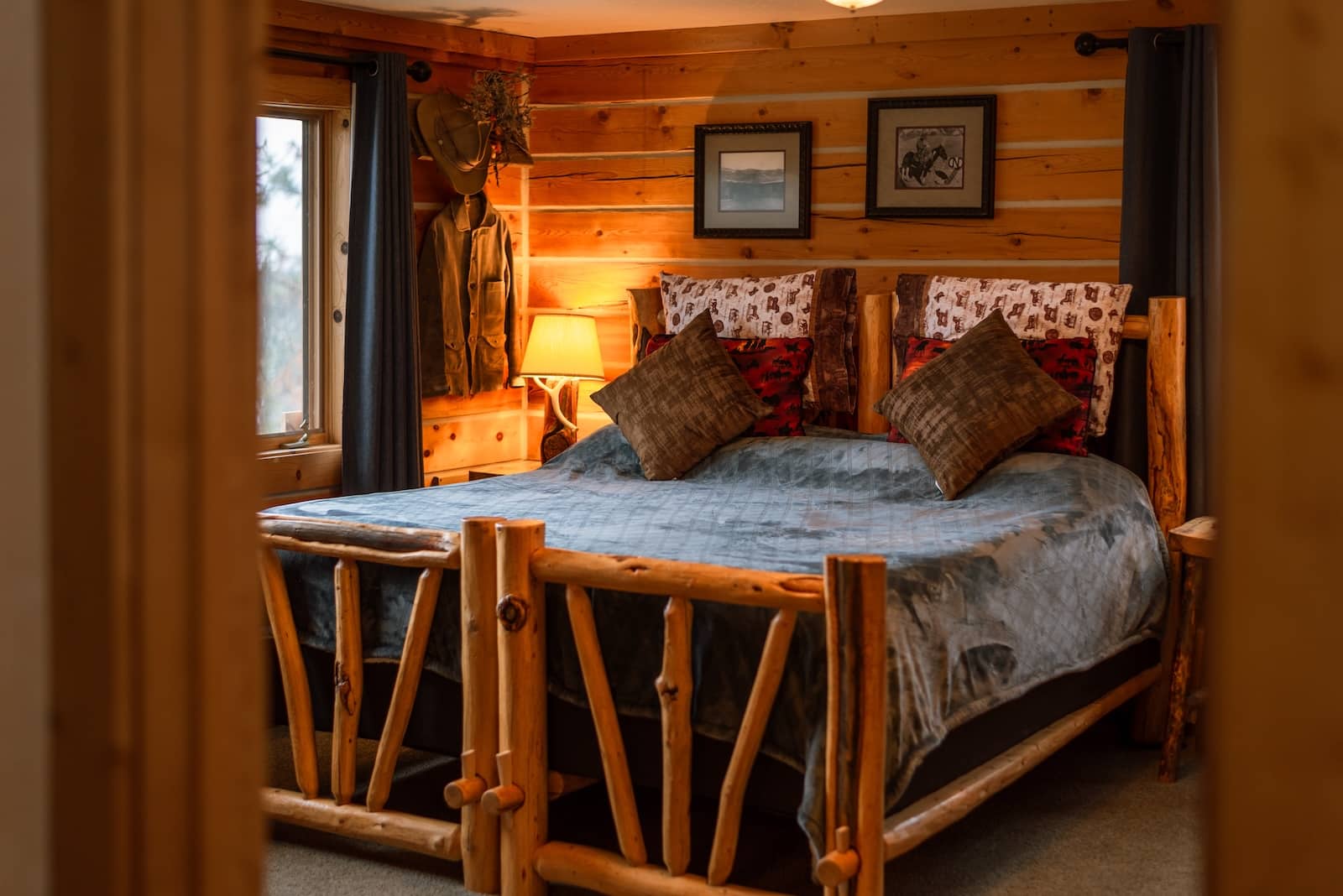
After a day exploring Garnet Ghost Town, our Bed and Breakfast in Montana gives you a comfortable home base for the rest of your western Montana getaway. The inn sits on 20 private acres immediately adjacent to National Forest land outside Missoula, combining easy access to the city with gardens, forest, wildlife habitat, water features, and mountain and valley views.
The guest rooms have king or queen beds, private bathrooms, and jetted tubs, while several include private decks or fireplaces. Mornings begin with a homemade breakfast that changes regularly and may include dishes such as Swedish pancakes, huckleberry Dutch Babies, pecan-crusted French toast, eggs Benedict, baked goods, and fresh fruit.
That location works especially well for a Garnet trip. Start the morning with breakfast, spend the day exploring Garnet Ghost Town and the surrounding mountains, and return to the inn for a comfortable evening. With Missoula, Lolo Pass, the Bitterroot Valley, and other western Montana destinations within reach, you can explore in a different direction each day without changing lodging.
Our Bed and Breakfast in Montana offers more than a place to sleep between outings. Its mountain setting keeps you connected to the landscape while still putting restaurants, shops, cultural attractions, and outdoor recreation within easy reach.
Booking Your Stay at Blue Mountain B&B
Summer through early fall are popular seasons for both Missoula and Garnet, so booking ahead is always recommended. We would love to be your home base for exploring the Garnet Ghost Town and all Montana has to offer. Book your stay and start planning your adventure!

Frequently Asked Questions
Is Garnet Ghost Town open year-round?
The town can be reached year-round, but access changes seasonally. During the main visitor season, visitors arrive by road. In winter, access switches to snowmobiles, skis, or snowshoes. Seasonal building access and visitor center operations also depend on the weather.
Does it cost money to visit Garnet Ghost Town?
Yes. There is a small entrance fee for visitors aged 16 and older. Children younger than 16 enter free of charge, and qualifying federal recreation passes are accepted.
Can you actually live in Garnet, Montana?
No. Garnet is a federally managed historic district rather than a residential community.
How far is Garnet from Missoula?
The Highway 200 turnoff is about 30 miles east of Missoula, followed by roughly 10 additional miles into the mountains. Plan on approximately an hour or more of driving, depending on your starting point and road conditions.
What’s the best time of year to visit Garnet?
Summer through early fall offers the best combination of road access, access to historic buildings, hiking, and seasonal visitor services. Fall is particularly beautiful, but weather becomes less predictable as the season progresses.
Is Garnet Ghost Town wheelchair accessible?
The Bureau of Land Management has made several accessibility improvements, including designated accessible parking and ramps at four principal historic buildings. Some of the surrounding ground remains uneven because this is a nineteenth-century mountain town.
Are dogs allowed at Garnet Ghost Town?
Yes. Dogs and other pets are allowed but must remain on a leash. Bring water for your pet and clean up after it.
Can I bring my family with kids?
Yes. Garnet is a good choice for families interested in history and outdoor exploration. Children can tour the buildings, follow interpretive signs, and participate in educational activities. Watch younger children around uneven terrain and historic structures.
What should I pack for a Garnet visit?
Bring sturdy shoes, water, snacks or lunch, sunscreen, layers, and offline navigation. During spring and fall, pack warmer clothing than conditions in Missoula might suggest.
Is the road to Garnet safe to drive?
The Highway 200 route is generally manageable in suitable conditions and is the recommended approach for most visitors. Bear Gulch Road from I-90 is much rougher, narrower, and steeper. Allow extra time and check conditions after rain or snow.
I’m interested in Garnet’s history. Are there guided tours?
Yes. Guided tours may be available when Bureau of Land Management staff are on-site. Groups can also contact the Missoula Field Office in advance about arranging a tour. Self-guided interpretation is available throughout the historic district.
Are there restaurants or services at Garnet?
There is no restaurant at Garnet. The site does have seasonal potable water, picnic tables, vault toilets, parking, interpretive information, and a visitor center. Bring food if you plan to stay for several hours.
What if the weather turns bad while I’m at Garnet?
Conditions can change quickly in the mountains. If thunderstorms, heavy rain, snow, or worsening road conditions develop, shorten your visit and head back while travel remains safe. Always check Garnet Ghost Town weather separately from Missoula’s forecast.